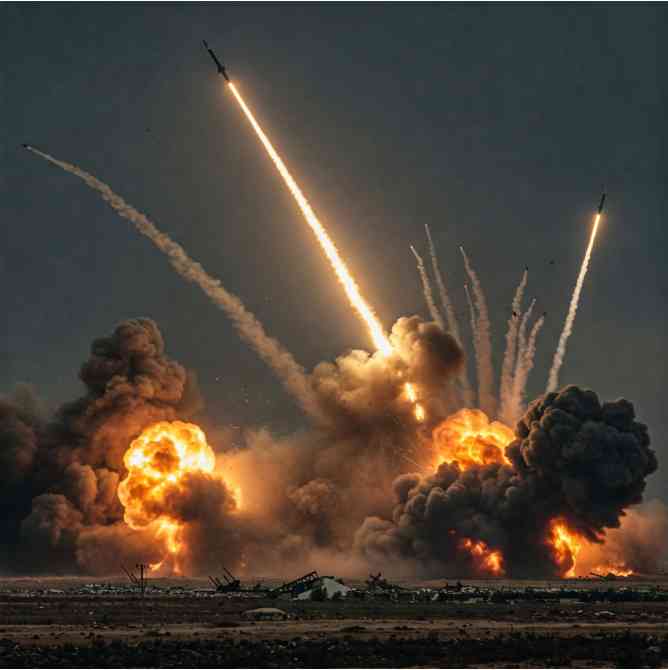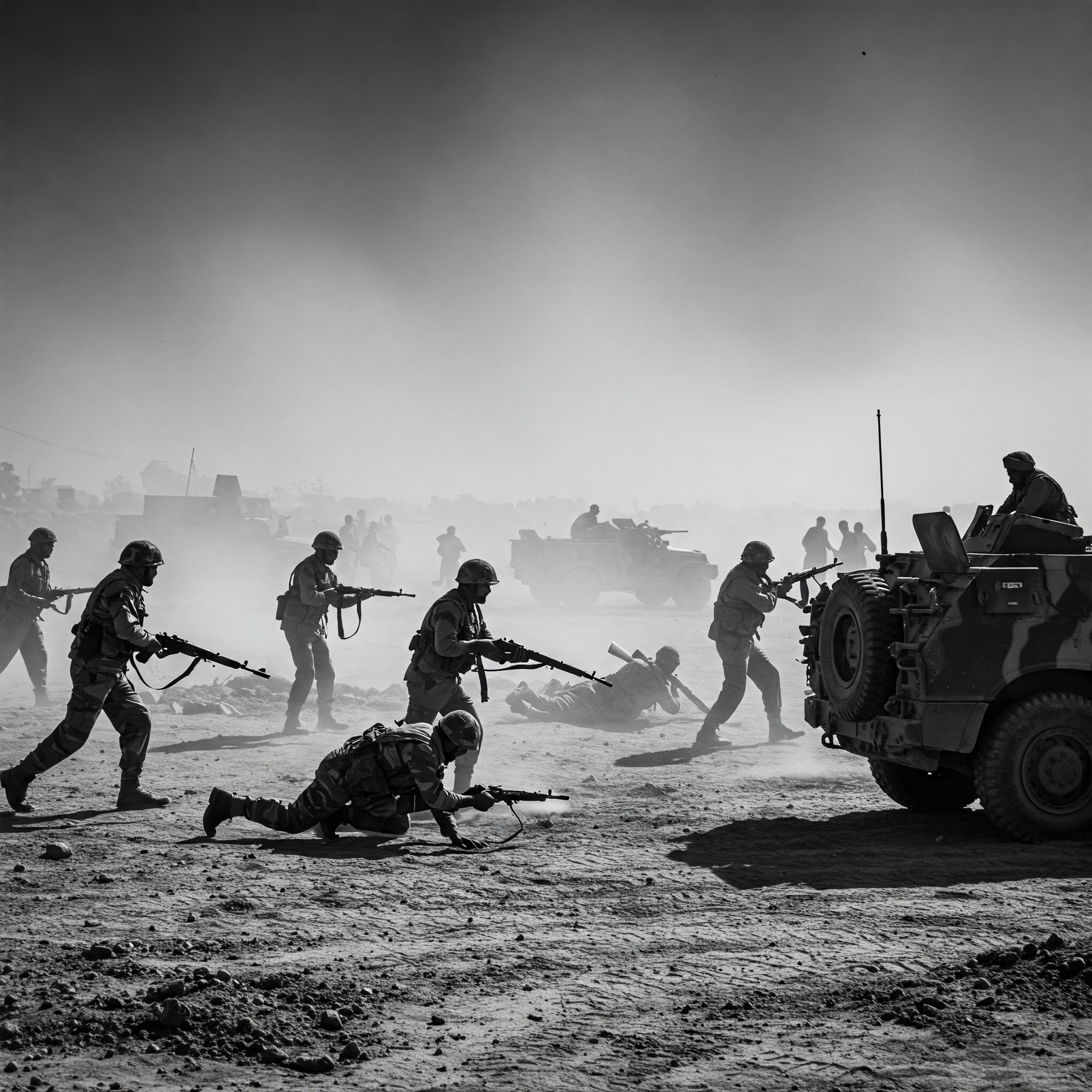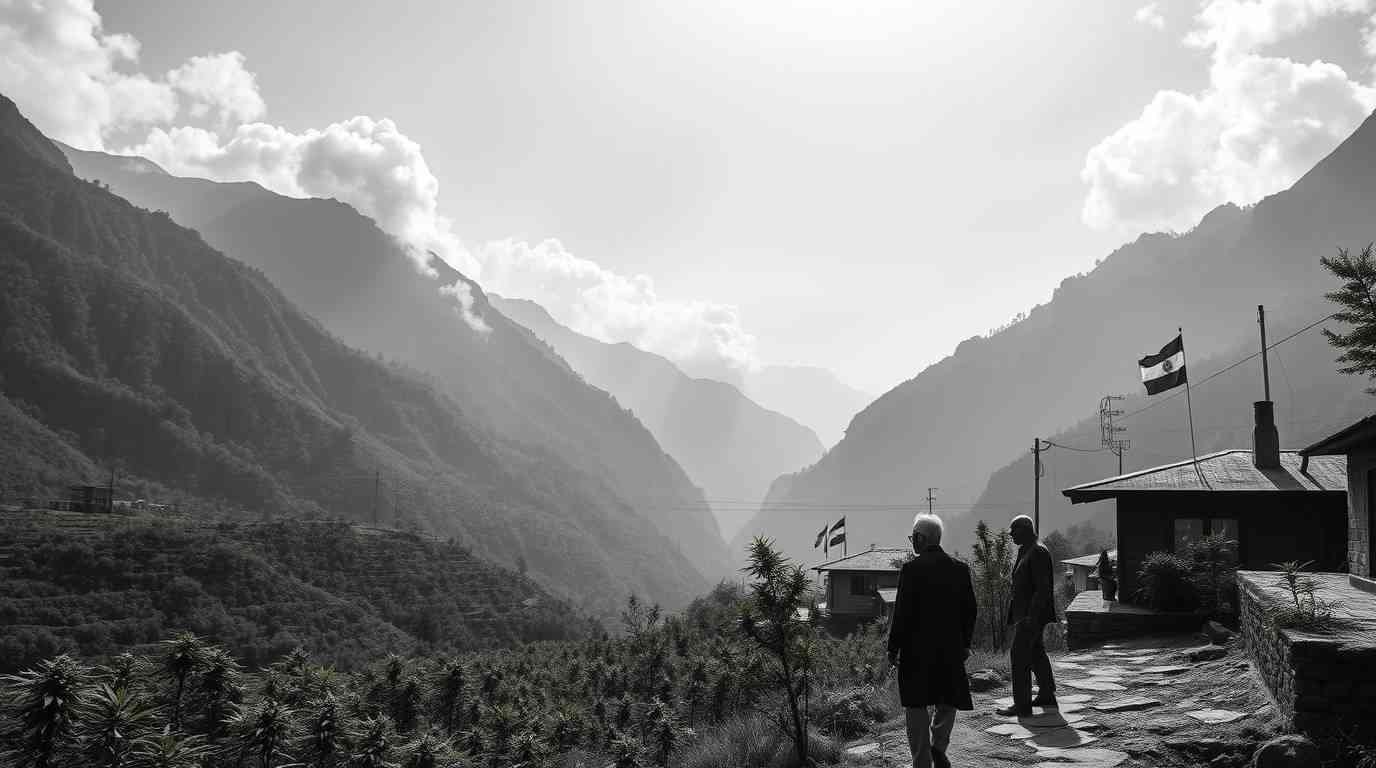

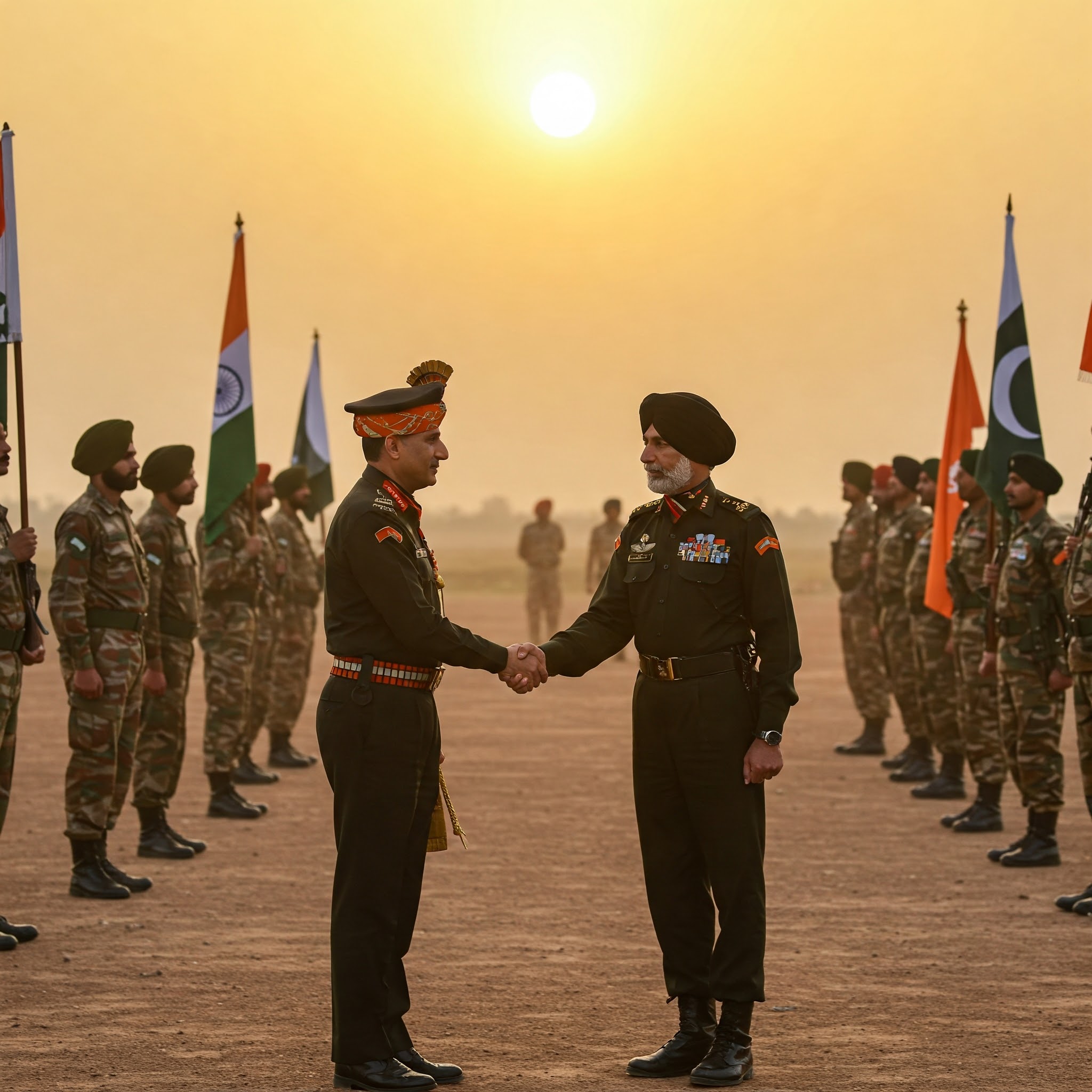
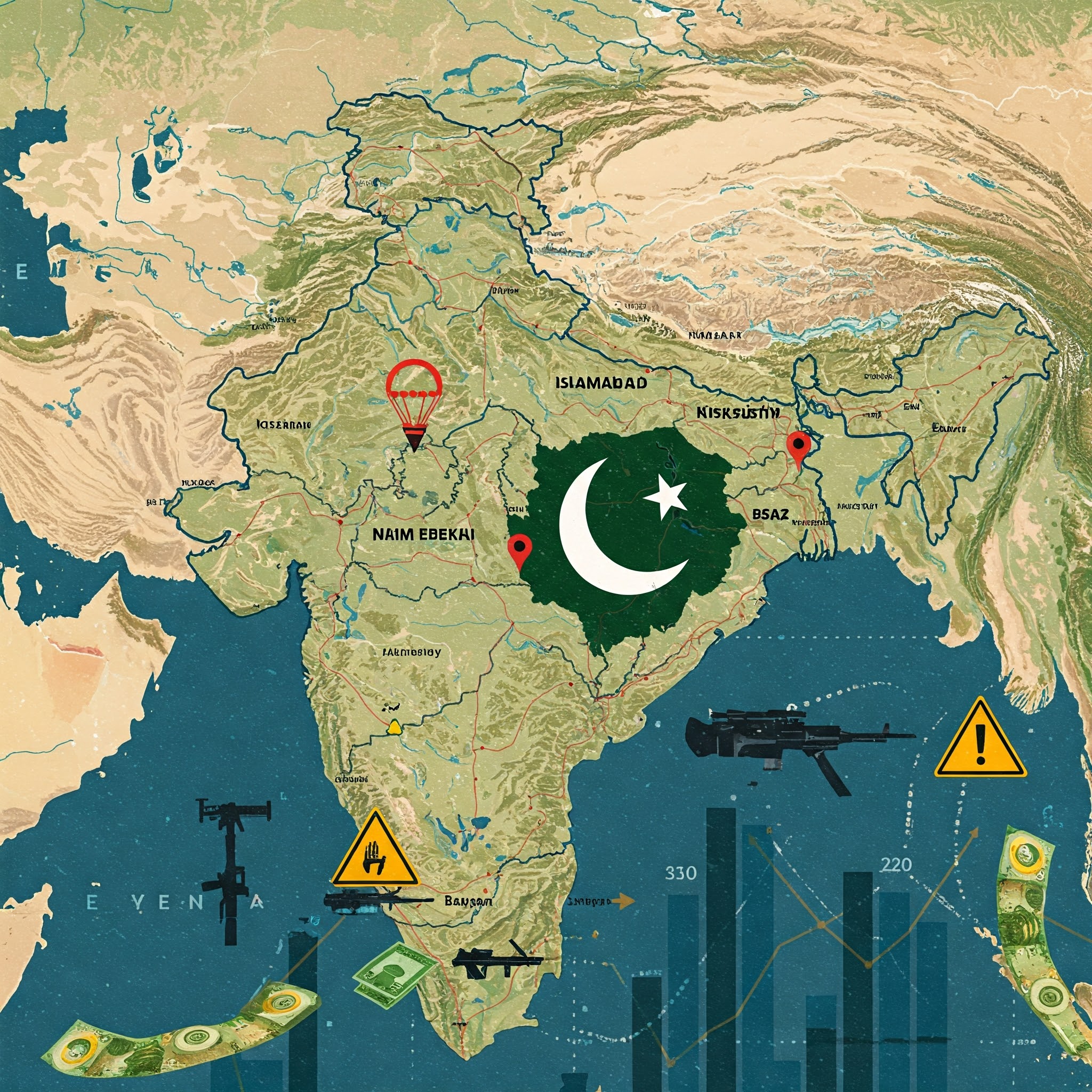
The decision to declare a ceasefire along the India-Pakistan border carries a complex set of implications and potential repercussions, affecting various aspects of the relationship and regional stability. Here’s a breakdown:

Positive Implications:

  • Immediate De-escalation: The most immediate impact is a halt to the ongoing military hostilities, which have caused casualties on both sides, including civilians. This provides a much-needed respite for border communities living under constant threat.
  • Reduced Risk of Further Conflict: A ceasefire lowers the immediate risk of the conflict escalating into a larger confrontation, which could have devastating consequences for both nations and the wider region.
  • Potential for Dialogue: The agreement for the Directors General of Military Operations (DGMOs) to meet on May 12th offers a crucial opportunity for dialogue at a high military level. This could lead to discussions on maintaining the ceasefire, addressing the root causes of the recent escalation, and potentially exploring further de-escalation measures.
  • Humanitarian Relief: A cessation of hostilities allows for the possibility of providing relief and assistance to affected populations in the border areas.
  • International Goodwill: Agreeing to a ceasefire, especially after a period of intense conflict, can be viewed positively by the international community and may open doors for diplomatic engagement and potential mediation efforts in the future, even though India has stressed the bilateral nature of this agreement.

Potential Repercussions and Challenges:

  • Fragile Truce: Ceasefires in this region have historically been fragile and prone to violations. Maintaining this ceasefire will depend heavily on the commitment of both sides to adhere to the terms and prevent any actions that could be perceived as provocative.
  • Underlying Tensions Remain: The ceasefire addresses the immediate military situation but does not resolve the core issues that led to the conflict, such as cross-border terrorism and the Kashmir dispute. Without addressing these underlying tensions, the risk of future escalations remains.
  • Domestic Political Considerations: Both governments will need to manage domestic political pressures. Hardline elements on either side may view the ceasefire as a sign of weakness or as premature without achieving their objectives.
  • Terrorist Activities: India’s primary concern was cross-border terrorism. If Pakistan does not demonstrably act to prevent terrorist groups from operating near the border and launching attacks, the ceasefire could be jeopardized by future incidents. India has maintained a firm stance against terrorism.
  • Verification and Monitoring: Ensuring compliance with the ceasefire can be challenging, especially along a long and contested border like the LoC. Establishing effective verification and monitoring mechanisms will be crucial.
  • Distrust and Misinformation: Decades of conflict have created deep-seated distrust between the two nations. Misinformation and propaganda from either side could easily undermine the ceasefire.
  • Role of Non-State Actors: The actions of non-state actors, particularly militant groups, could also derail the ceasefire if they continue to engage in violence.

Impact on India-Pakistan Relations:

  • Temporary Thaw: The ceasefire could lead to a temporary cooling of tensions and a window for potential diplomatic engagement.
  • No Guarantee of Lasting Peace: However, without substantive dialogue on the core issues, the ceasefire is unlikely to lead to a long-term improvement in bilateral relations. Future incidents could easily reignite tensions.
  • Dependence on Future Dialogue: The success of this ceasefire and its impact on relations will largely depend on the outcome of the upcoming DGMO talks and whether both sides are willing to engage in meaningful discussions beyond just maintaining the truce.

In conclusion, the ceasefire is a welcome step towards preventing further bloodshed and escalation. However, its long-term implications and impact on India-Pakistan relations remain uncertain and will depend on the willingness of both sides to uphold the agreement and address the fundamental issues that divide them. The upcoming DGMO talks will be a critical indicator of the future trajectory.
The decision to declare a ceasefire along the India-Pakistan border carries a complex set of implications and potential repercussions, affecting various aspects of the relationship and regional stability. Here’s a breakdown: Positive Implications: Potential Repercussions and Challenges: Impact on India-Pakistan Relations: In conclusion, the ceasefire is a welcome step towards preventing further bloodshed and escalation. However, its long-term implications and

After days of escalating tensions and cross-border hostilities, India and Pakistan have agreed to a ceasefire along the Line of Control (LoC), the International Border, and in the air and sea, effective from 5:00 PM IST today. The announcement comes after a tense week following India’s “Operation Sindoor,” a retaliatory action against alleged terrorist camps inside Pakistani territory in response to the deadly Pahalgam attack on April 22nd.  

The ceasefire agreement was confirmed by India’s Foreign Secretary Vikram Misri in a press briefing this evening. According to Misri, the Director General of Military Operations (DGMO) of Pakistan initiated a call to his Indian counterpart earlier today at 3:35 PM IST, leading to a mutual agreement to halt all firing and military action. Instructions have been issued on both sides to implement this understanding with immediate effect.  

This development follows a period of intense military activity on both sides. India launched strikes deep inside Pakistan on May 7th, targeting what it claimed were terrorist infrastructure linked to the Pahalgam attack. Pakistan vehemently denied any involvement and retaliated with drone attacks and artillery shelling across multiple locations along the border, including civilian areas. India claimed to have successfully repelled these attacks, even shooting down several drones. The situation led to heightened security measures in border regions, including temporary closure of several airports and a blackout in some areas.  

While the immediate cessation of hostilities is a welcome step, the underlying tensions remain. India’s External Affairs Minister S Jaishankar, while confirming the ceasefire, reiterated India’s “firm and uncompromising stance against terrorism in all its forms and manifestations.” This suggests that while military action may be paused, India will continue to hold Pakistan responsible for cross-border terrorism.

Adding an unexpected layer to the developments, the account of a one-time occupant of the White House claimed earlier in the day that the United States had mediated the ceasefire talks. However, Foreign Secretary Misri explicitly stated that the understanding was reached bilaterally between the two countries, with the Pakistani DGMO initiating the contact.

The DGMOs of both nations are scheduled to hold further discussions on May 12th at 12:00 PM IST. These talks will likely be crucial in de-escalating the situation further and potentially addressing the core issues that led to the recent conflict.

The international community will be closely watching whether this ceasefire holds and if it can pave the way for a more stable long-term relationship between the two nuclear-armed neighbors. The economic and social costs of the recent escalation have been significant, and a sustained period of peace is crucial for the stability of the entire South Asian region.

After days of escalating tensions and cross-border hostilities, India and Pakistan have agreed to a ceasefire along the Line of Control (LoC), the International Border, and in the air and sea, effective from 5:00 PM IST today. The announcement comes after a tense week following India’s “Operation Sindoor,” a retaliatory action against alleged terrorist camps inside Pakistani territory in response

It is Friday, May 9, 2025, and the International Monetary Fund (IMF) is currently reviewing Pakistan’s request for further financial assistance. This comes amidst heightened tensions between India and Pakistan following the recent terrorist attack in Pahalgam on April 22nd, which resulted in the deaths of 26 tourists. India has strongly opposed this loan, raising concerns that the funds could be indirectly used to finance cross-border terrorism against India.

Here’s a breakdown of the situation:

India’s Stance:

  • India has actively voiced its opposition to the IMF providing further loans to Pakistan.
  • The primary concern highlighted by India is the potential misuse of these funds for state-sponsored cross-border terrorism.
  • India has pointed to Pakistan’s history of being a prolonged borrower from the IMF with a poor track record of implementing and adhering to the IMF’s program conditions.
  • India’s representative at the IMF board meeting today urged the board to carefully consider Pakistan’s track record and the risk of funds being diverted for terrorism.
  • India has also highlighted the significant role of Pakistan’s military in the country’s economic affairs, which poses risks to the implementation of reforms.
  • India has called upon other multilateral agencies, such as the World Bank and the Asian Development Bank, to also re-evaluate their financial support to Pakistan.

Pakistan’s Situation:

  • Pakistan is facing a severe economic crisis and is heavily reliant on financial assistance from international institutions like the IMF.
  • The country is seeking a new loan of $1.3 billion under the IMF’s Resilience and Sustainability Facility.
  • The IMF is also reviewing Pakistan’s existing $7 billion Extended Fund Facility.
  • Pakistan’s foreign exchange reserves are low, and the country has a significant amount of external debt maturing in the current fiscal year.
  • Following India’s Operation Sindoor, Pakistan claimed “heavy losses” and appealed to international partners for more loans, although this claim was later retracted, stating their social media account was “hacked.”

IMF’s Position:

  • The IMF board is meeting today to review Pakistan’s economic performance and decide on the loan request.
  • While concerns about the potential misuse of funds for terrorism have been raised by India and echoed by some other member countries, the IMF’s response is often bound by its procedural and technical formalities.
  • The IMF had previously approved a $1 billion disbursement to Pakistan under the existing program.

Potential Implications:

  • If the IMF approves the loan despite India’s objections, it could lead to further diplomatic tensions between the two countries.
  • India fears that the funds could indirectly support military intelligence operations and groups involved in cross-border terrorism.
  • Pakistan’s already fragile economy is highly dependent on these loans to avoid further financial instability.

Current Status:

  • As of late Friday evening (IST), the IMF’s decision on Pakistan’s loan request is still awaited.
  • India has formally registered its protest and urged the IMF board to consider the risks associated with providing financial assistance to Pakistan in the current climate.

It is important to note that the situation is still developing, and the outcome of the IMF meeting will have significant implications for the relationship between India and Pakistan, as well as for Pakistan’s economic stability.

It is Friday, May 9, 2025, and the International Monetary Fund (IMF) is currently reviewing Pakistan’s request for further financial assistance. This comes amidst heightened tensions between India and Pakistan following the recent terrorist attack in Pahalgam on April 22nd, which resulted in the deaths of 26 tourists. India has strongly opposed this loan, raising concerns that the funds could

Tensions between India and Pakistan have escalated dramatically following a deadly attack on Indian tourists in Indian-administered Kashmir on April 22, 2025. India, blaming Pakistan for backing the gunmen, launched a series of missile strikes on what it claims were “terrorist infrastructure” sites inside Pakistan and Pakistan-administered Kashmir on Wednesday, May 7, 2025. Pakistan has vehemently denied any involvement in the April 22 attack and has vowed a robust response, labeling India’s actions as an “act of war.”

India’s “Operation Sindoor”:

The Indian military stated that it targeted nine sites in total, claiming these locations were used for planning and directing attacks against India. The Indian Embassy in Washington DC, stated that “India’s actions have been focused and precise. They were measured, responsible and designed to be non-escalatory in nature. No Pakistani civilian, economic or military targets have been hit. Only known terror camps were targeted,”.1 Precision strike weapon systems were used in the attacks.

Pakistan’s Response:

Pakistan confirmed that Indian missiles hit five locations: Muzaffarabad, Kotli, and Bagh in Pakistan-administered Kashmir, and Bahawalpur and Muridke in Pakistan’s Punjab province. Pakistani officials reported that one missile struck a mosque in Bahawalpur, resulting in the death of a child and injuries to others. Pakistan’s Prime Minister Shehbaz Sharif asserted his country’s right to respond forcefully and stated that a “befitting response is being given.” Pakistan’s military also stated that it has responded to the strikes.

Regional and International Reactions:

The recent events have triggered widespread concern. The US President Donald Trump has called the situation “a shame,” saying he hopes “it ends very quickly”. International pressure is mounting on both nations to de-escalate the conflict. Senior officials from the U.S., China, Russia, and Saudi Arabia have urged restraint, and Iran has offered to mediate.

Impact on Aviation:

Following the Indian strikes, Pakistan initially shut down key airports for 48 hours. Some international airlines are reportedly re-routing or suspending flights to and from Israel due to the escalating tensions.

Background and Escalating Tensions:

The recent spike in tensions can be traced back to the April 22 attack on tourists in Indian-administered Kashmir, which resulted in 26 fatalities. India has accused Pakistan of supporting the militants responsible, a charge Pakistan denies. Both countries have expelled diplomats, closed borders, and suspended a water-sharing treaty.

The situation remains highly volatile, with the potential for further escalation.

Tensions between India and Pakistan have escalated dramatically following a deadly attack on Indian tourists in Indian-administered Kashmir on April 22, 2025. India, blaming Pakistan for backing the gunmen, launched a series of missile strikes on what it claims were “terrorist infrastructure” sites inside Pakistan and Pakistan-administered Kashmir on Wednesday, May 7, 2025. Pakistan has vehemently denied any involvement in

The elusive saola (Pseudoryx nghetinhensis), often dubbed the “Asian unicorn” for its rarity and striking beauty, has long remained a phantom of the Annamite mountain range along the Vietnam-Laos border. Never observed alive by scientists in the wild, knowledge of this critically endangered antelope-like bovine has been pieced together from scant physical evidence and local accounts. Now, a groundbreaking achievement offers a beacon of hope for the species’ survival: an international team of researchers has successfully mapped the complete genome of the saola.

By meticulously analyzing DNA extracted from saola remains found in local communities, the scientists generated complete genomes for 26 individual saolas. This significant breakthrough, recently highlighted by Down To Earth, provides unprecedented insights into the saola’s genetic makeup, population structure, and its deep evolutionary history.

The genomic analysis unearthed a previously unknown genetic division within the saola population, revealing two distinct groups that diverged between 5,000 and 20,000 years ago. The study suggests that expanding human activities during the agricultural transition in the region likely fragmented the saola’s habitat, leading to the isolation and genetic divergence of these two groups.

Adding to the conservation challenges, the research estimated that the total saola population has likely remained below 5,000 individuals for the past 10,000 years, indicating a long-term trend of low numbers. While both populations have experienced genetic loss, the crucial finding is that they have lost different sets of genetic variations. This highlights the necessity of considering both populations in any future conservation strategies to maximize genetic diversity.

The scientists emphasize that while this genomic mapping is a vital step forward, the immediate hurdle remains locating the few remaining saolas in their remote and challenging habitat. The newly acquired genomic information, however, offers promising avenues, potentially enabling the development of more effective environmental DNA sampling techniques to detect these elusive animals.

Ultimately, the researchers believe that establishing a captive breeding program is crucial for the long-term survival of the saola. Their models suggest that bringing together at least a dozen individuals, ideally representing both distinct genetic populations, could offer a viable path to safeguarding the species from extinction. However, the success of this endeavor hinges on the monumental task of finding these incredibly rare creatures in the dense forests of the Annamite mountains.

The mapping of the saola genome represents a significant milestone in the ongoing efforts to protect this extraordinary and enigmatic mammal. It provides a critical scientific foundation, offering new tools and knowledge that could ultimately determine whether the “Asian unicorn” continues to grace the forests of Southeast Asia or fades forever into the realm of myth.

The elusive saola (Pseudoryx nghetinhensis), often dubbed the “Asian unicorn” for its rarity and striking beauty, has long remained a phantom of the Annamite mountain range along the Vietnam-Laos border. Never observed alive by scientists in the wild, knowledge of this critically endangered antelope-like bovine has been pieced together from scant physical evidence and local accounts. Now, a groundbreaking achievement

In an India increasingly navigating the complexities of rapid urbanization, climate change-induced extreme weather events, and the ever-present need for robust disaster preparedness, the ability of communities to respond effectively to unforeseen crises is paramount. While the National Disaster Response Force (NDRF) and other emergency services form the backbone of our response mechanisms, the preparedness of ordinary Indian citizens plays an equally vital, albeit often understated, role. This is where the significance of mock drills for the general public truly shines, taking on even greater importance in the current Indian context.

Far from being mere exercises in simulation, mock drills are powerful tools that empower civilians across India with the knowledge, skills, and mindset necessary to navigate chaotic situations. They bridge the gap between theoretical awareness, often disseminated through government campaigns and media, and practical action on the ground. This transformation of passive bystanders into active participants in community safety is crucial in a nation as diverse and geographically varied as India.

One of the primary benefits of mock drills is familiarization with emergency procedures tailored to the Indian context. Recent events, such as the increasing frequency of cyclones along the eastern and western coasts, the persistent threat of earthquakes in seismically active zones, and localized flooding in urban centers like Mumbai and Chennai, underscore the need for context-specific preparedness. Mock drills can simulate these scenarios, allowing individuals to practice evacuation routes specific to their localities, understand the functioning of local disaster management committees, and learn how to access resources like community shelters – often crucial in densely populated Indian cities. By physically enacting these procedures, individuals develop muscle memory and reduce the likelihood of freezing or making critical errors when faced with genuine danger. This familiarity extends beyond individual actions to understanding the roles of local emergency services, including the state disaster response forces and community volunteers, and how they operate within their specific regions.

Furthermore, mock drills foster a sense of calm and reduce anxiety in the face of potential disasters. The uncertainties surrounding natural calamities or other emergencies can be particularly unsettling. Mock drills, conducted in a safe and controlled environment, can alleviate this apprehension by demystifying emergency responses. Knowing what to expect, even in a simulated event like a building fire or a localized flood, builds confidence and empowers individuals to react rationally rather than emotionally during a real crisis. This collective sense of preparedness can significantly contribute to a more orderly and effective community response, preventing panic which can often exacerbate a crisis, especially in densely populated urban areas in India.

Beyond individual preparedness, mock drills serve as a crucial platform for community cohesion and coordination, vital in India’s diverse social fabric. They bring together residents, local administrative bodies (like Panchayats and municipal corporations), emergency responders, and local volunteers, fostering communication and understanding. Civilians gain insight into the challenges faced by emergency services in the Indian context, such as navigating congested roads or communicating across language barriers. Simultaneously, responders can assess the community’s preparedness level and identify areas for improvement in their outreach and communication strategies, perhaps utilizing local languages and community leaders more effectively. This collaborative environment strengthens the social fabric and enhances the overall resilience of the community, a crucial aspect in a country where community support often plays a significant role in disaster response.

Moreover, mock drills can highlight vulnerabilities and identify areas for improvement within a community’s emergency response plan, particularly relevant in the context of India’s varied infrastructure and development levels. Observing civilian behavior and understanding their challenges during a simulation can provide valuable feedback to authorities. Are evacuation routes clearly marked in local languages? Are public communication systems, like local radio or community announcements, effective in reaching all segments of the population? Are vulnerable populations, such as the elderly or those with disabilities, adequately supported within the local context? Mock drills offer a low-stakes opportunity to identify these gaps and implement necessary adjustments before a real crisis strikes. For instance, a recent mock flood drill in a coastal village might highlight the need for more accessible evacuation shelters or better communication about rising water levels.

In conclusion, mock drills for civilians in India are not simply about practicing a set of actions; they are about cultivating a culture of preparedness that is deeply rooted in the local context. They empower individuals, strengthen communities, and ultimately contribute to saving lives and minimizing the impact of emergencies, be it a heatwave in Rajasthan, a landslide in the Himalayas, or an urban flood in Bengaluru. By actively participating in these exercises, Indian citizens become unsung heroes in the landscape of community safety, transforming from potential victims to informed and capable responders. Embracing mock drills is not just an exercise; it’s an essential investment in a safer and more resilient future for Bharat.

In an India increasingly navigating the complexities of rapid urbanization, climate change-induced extreme weather events, and the ever-present need for robust disaster preparedness, the ability of communities to respond effectively to unforeseen crises is paramount. While the National Disaster Response Force (NDRF) and other emergency services form the backbone of our response mechanisms, the preparedness of ordinary Indian citizens plays

Chandigarh, May 6, 2025 – In a significant move to bolster national security preparedness, India is set to conduct an extensive nationwide civil defense mock drill tomorrow, Wednesday, May 7th. This exercise, spanning 244 districts across several states and union territories, comes in the wake of the recent terror attack in Pahalgam and amidst escalating tensions between India and Pakistan. Sources indicate this is the first such large-scale civil defense drill since the 1971 war, underscoring the gravity of the current security landscape.  

The mock drill, a direct outcome of high-level discussions chaired by Prime Minister Narendra Modi following the April 22nd terror incident, aims to evaluate and refine the nation’s response mechanisms to potential emergencies and “new and complex threats.” A key component of this exercise will be the implementation of crash blackouts, where lights in cities and critical infrastructure will be switched off to simulate wartime conditions and reduce visibility from the air. Residents in participating districts should anticipate temporary power outages as authorities strive to ensure complete darkness at an altitude of 5,000 feet.  

Beyond the blackouts, the comprehensive drill will encompass a range of crucial civil defense protocols. Air raid warning systems will be activated to assess their functionality and public responsiveness. Communication networks, including vital hotlines and radio links with the Indian Air Force, will undergo rigorous testing. The operational readiness of both primary and backup emergency control rooms will also be evaluated to ensure seamless coordination during crises.  

A significant focus of the exercise will be on public awareness and training. Civilians, including students from schools and colleges, will participate in drills covering essential safety measures such as first aid, basic firefighting techniques, and procedures for seeking shelter during attacks. Furthermore, camouflage exercises will be conducted to practice concealing important buildings and infrastructure like power plants and communication towers. Evacuation rehearsals will simulate the movement of populations from vulnerable areas to safer zones.  

The readiness of various civil defense services will also be under scrutiny. Wardens, firefighters, rescue teams, and supply management personnel will be assessed on their preparedness and efficiency. Residents in some areas might experience temporary disruptions to mobile signals, internet services, and traffic flow as part of the drill. However, authorities have assured that essential services, including hospitals and public transportation, are expected to remain operational.  

The extensive exercise will witness the active participation of district controllers, Home Guards, National Cadet Corps (NCC) cadets, National Service Scheme (NSS) volunteers, Nehru Yuva Kendra Sangathan (NYKS) members, and various civilian agencies, all working in close coordination with the Indian Armed Forces and local police.  

The geographical scope of the mock drill is significant, covering 244 districts across 9 states and Union Territories. Border states such as Jammu and Kashmir, Punjab, Rajasthan, Himachal Pradesh, and Gujarat are included, alongside states like Uttar Pradesh, Odisha, and West Bengal. Notably, Punjab will see drills in 20 locations, including Amritsar, Bathinda, Ferozepur, and Ludhiana. Ferozepur even conducted a 30-minute blackout rehearsal on Sunday as a preliminary check.  

While the scale of the exercise might cause some apprehension, the government has emphasized that it is purely a preparedness measure and not a reason for panic. Citizens in the participating districts are advised to keep essential items like medical kits, torches, candles, and some cash readily available. It is also crucial for the public to follow official instructions from authorities and refrain from spreading unverified information on social media platforms.

Tomorrow’s nationwide blackout mock drill represents a proactive step by the Indian government to enhance national security and civil defense capabilities in the face of evolving threats. The lessons learned from this exercise will undoubtedly be invaluable in strengthening the country’s overall emergency response framework.

Chandigarh, May 6, 2025 – In a significant move to bolster national security preparedness, India is set to conduct an extensive nationwide civil defense mock drill tomorrow, Wednesday, May 7th. This exercise, spanning 244 districts across several states and union territories, comes in the wake of the recent terror attack in Pahalgam and amidst escalating tensions between India and Pakistan.

by Rajat Swroop

Introduction

Nestled high in the Parvati Valley of Himachal Pradesh lies Malana, a remote village famed for its unique culture, ancient democratic system—and most controversially, its potent cannabis resin known globally as “Malana Cream.” As the world, particularly the United States, pivots toward cannabis legalization and commercialization, the cultural and political implications for places like Malana have become increasingly complex. This article explores the nuanced intersection of cannabis culture, local Indian traditions, and evolving Indo–US diplomatic and economic relationships.


Malana: A Sacred Village with a Psychedelic Legacy

Malana is not just another Himalayan village—it’s a cultural outlier. Its people, who consider themselves descendants of Alexander the Great’s soldiers, follow their own governance rules and maintain a spiritual connection with the local deity Jamlu Devta. But what has truly put Malana on the global map is its high-quality hashish, known for its creamy texture, aromatic depth, and psychoactive potency.

In India, cannabis has a long spiritual and medicinal history, dating back to Vedic times, where it was associated with Lord Shiva. But modern Indian law treats it harshly. Despite cultural reverence in many regions, the Narcotic Drugs and Psychotropic Substances (NDPS) Act of 1985 criminalized the production, possession, and sale of cannabis resin and flowers, though bhang (a derivative from leaves) remains legal in some states.


The American Influence: Legalization, Capitalism, and Contradictions

Across the globe, particularly in U.S. states like California, Colorado, and Oregon, cannabis has moved from taboo to trendy. The United States, once a major driver of international drug prohibition through diplomatic pressure and treaties, is now leading the charge on decriminalization and commercialization.

American cannabis companies are already generating billions in revenue, and the “green rush” has sparked interest in exotic and legacy strains. “Malana Cream,” despite being illegal for export, has reached near-mythical status in underground cannabis forums, hip-hop lyrics, and counterculture documentaries. American tourists have traveled to Malana, partly in search of spiritual experiences—but also, admittedly, in pursuit of the famous hash.

This rising demand has created a silent tension between traditional preservation and global exploitation. What happens when a spiritual tradition becomes a commodity in a globalized world?


Legal and Diplomatic Dissonance

India’s official stance on cannabis remains conservative, in part due to its commitments under UN drug control treaties. Ironically, these very treaties were largely shaped by U.S. policy in the 20th century. However, India’s growing alliance with the U.S., especially in trade, technology, and strategic diplomacy, has begun to reopen conversations around re-examining cannabis laws.

The U.S., while not yet federally legal, has allowed cannabis to become a key economic sector in many states. India, with its traditional knowledge and bio-diverse cultivation zones, stands at a potential economic turning point. But will India resist American-style commercialization to protect cultural and environmental values—or follow the path of profit?

There’s also a risk of cultural appropriation and intellectual theft. If strains like Malana Cream are hybridized or imitated in foreign labs without due credit or benefit-sharing, it could spark ethical and diplomatic disputes. Indigenous knowledge protection has become an increasingly important issue at international forums, including the World Intellectual Property Organization (WIPO).


The Environmental and Societal Toll

Malana’s fame has not come without a cost. Increased foot traffic from domestic and international tourists has brought waste, erosion, and disruption to a fragile mountain ecosystem. Locals are torn between preserving their heritage and capitalizing on the economic opportunities cannabis tourism offers.

On the ground, there’s also the threat of over-policing. Despite cannabis’s growing global acceptance, Indian farmers and villagers—especially in Himachal and Uttarakhand—face raids, jail time, and asset seizures. The hypocrisy of Americans profiting from cannabis while Indian cultivators are punished for it isn’t lost on observers.


Future Possibilities: Diplomacy, Decriminalization, and Decolonization

As both India and the U.S. evolve in their cannabis policies, there lies a potential for collaborative models rooted in sustainability and respect. Some suggestions include:

  • Bilateral cannabis research agreements, focusing on medical uses, cultivation practices, and indigenous plant genetics.
  • Fair trade models, where local cultivators in India receive royalties or legal protections for their strains.
  • Eco-tourism initiatives that balance cannabis curiosity with responsible, low-impact travel.
  • Policy dialogues between Indian and American legislators to share insights on decriminalization, regulation, and rehabilitation.

There’s also an opportunity to decolonize the narrative around cannabis. Instead of importing American commercialization models, India could develop a framework that honors ancient traditions, respects tribal knowledge, and regulates use responsibly—on its own terms.


Conclusion

The tale of Malana Cream is no longer just about a Himalayan hash—it’s a symbol of how culture, law, economics, and diplomacy are colliding in the cannabis era. As the U.S. rebrands cannabis into a billion-dollar industry, India stands at a critical threshold: Will it protect Malana’s legacy, reform its outdated laws, and enter the global conversation with dignity—or allow its spiritual past to be sold without permission?

The future of Indo–US cannabis relations might just depend on how both nations handle the smoke before it clears.

by Rajat Swroop Introduction Nestled high in the Parvati Valley of Himachal Pradesh lies Malana, a remote village famed for its unique culture, ancient democratic system—and most controversially, its potent cannabis resin known globally as “Malana Cream.” As the world, particularly the United States, pivots toward cannabis legalization and commercialization, the cultural and political implications for places like Malana have