
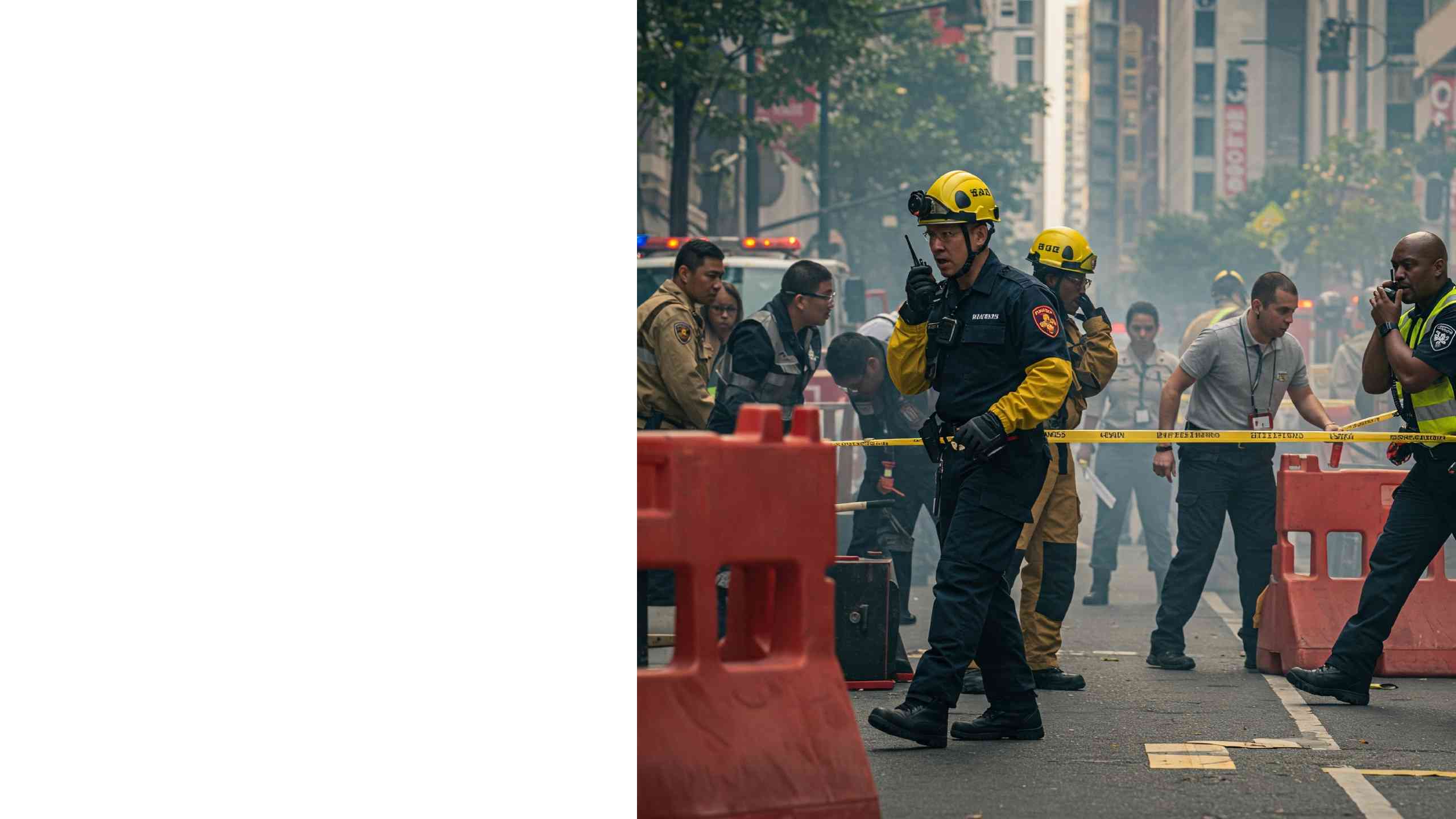
In an India increasingly navigating the complexities of rapid urbanization, climate change-induced extreme weather events, and the ever-present need for robust disaster preparedness, the ability of communities to respond effectively to unforeseen crises is paramount. While the National Disaster Response Force (NDRF) and other emergency services form the backbone of our response mechanisms, the preparedness of ordinary Indian citizens plays an equally vital, albeit often understated, role. This is where the significance of mock drills for the general public truly shines, taking on even greater importance in the current Indian context.
Far from being mere exercises in simulation, mock drills are powerful tools that empower civilians across India with the knowledge, skills, and mindset necessary to navigate chaotic situations. They bridge the gap between theoretical awareness, often disseminated through government campaigns and media, and practical action on the ground. This transformation of passive bystanders into active participants in community safety is crucial in a nation as diverse and geographically varied as India.
One of the primary benefits of mock drills is familiarization with emergency procedures tailored to the Indian context. Recent events, such as the increasing frequency of cyclones along the eastern and western coasts, the persistent threat of earthquakes in seismically active zones, and localized flooding in urban centers like Mumbai and Chennai, underscore the need for context-specific preparedness. Mock drills can simulate these scenarios, allowing individuals to practice evacuation routes specific to their localities, understand the functioning of local disaster management committees, and learn how to access resources like community shelters – often crucial in densely populated Indian cities. By physically enacting these procedures, individuals develop muscle memory and reduce the likelihood of freezing or making critical errors when faced with genuine danger. This familiarity extends beyond individual actions to understanding the roles of local emergency services, including the state disaster response forces and community volunteers, and how they operate within their specific regions.
Furthermore, mock drills foster a sense of calm and reduce anxiety in the face of potential disasters. The uncertainties surrounding natural calamities or other emergencies can be particularly unsettling. Mock drills, conducted in a safe and controlled environment, can alleviate this apprehension by demystifying emergency responses. Knowing what to expect, even in a simulated event like a building fire or a localized flood, builds confidence and empowers individuals to react rationally rather than emotionally during a real crisis. This collective sense of preparedness can significantly contribute to a more orderly and effective community response, preventing panic which can often exacerbate a crisis, especially in densely populated urban areas in India.
Beyond individual preparedness, mock drills serve as a crucial platform for community cohesion and coordination, vital in India’s diverse social fabric. They bring together residents, local administrative bodies (like Panchayats and municipal corporations), emergency responders, and local volunteers, fostering communication and understanding. Civilians gain insight into the challenges faced by emergency services in the Indian context, such as navigating congested roads or communicating across language barriers. Simultaneously, responders can assess the community’s preparedness level and identify areas for improvement in their outreach and communication strategies, perhaps utilizing local languages and community leaders more effectively. This collaborative environment strengthens the social fabric and enhances the overall resilience of the community, a crucial aspect in a country where community support often plays a significant role in disaster response.
Moreover, mock drills can highlight vulnerabilities and identify areas for improvement within a community’s emergency response plan, particularly relevant in the context of India’s varied infrastructure and development levels. Observing civilian behavior and understanding their challenges during a simulation can provide valuable feedback to authorities. Are evacuation routes clearly marked in local languages? Are public communication systems, like local radio or community announcements, effective in reaching all segments of the population? Are vulnerable populations, such as the elderly or those with disabilities, adequately supported within the local context? Mock drills offer a low-stakes opportunity to identify these gaps and implement necessary adjustments before a real crisis strikes. For instance, a recent mock flood drill in a coastal village might highlight the need for more accessible evacuation shelters or better communication about rising water levels.
In conclusion, mock drills for civilians in India are not simply about practicing a set of actions; they are about cultivating a culture of preparedness that is deeply rooted in the local context. They empower individuals, strengthen communities, and ultimately contribute to saving lives and minimizing the impact of emergencies, be it a heatwave in Rajasthan, a landslide in the Himalayas, or an urban flood in Bengaluru. By actively participating in these exercises, Indian citizens become unsung heroes in the landscape of community safety, transforming from potential victims to informed and capable responders. Embracing mock drills is not just an exercise; it’s an essential investment in a safer and more resilient future for Bharat.